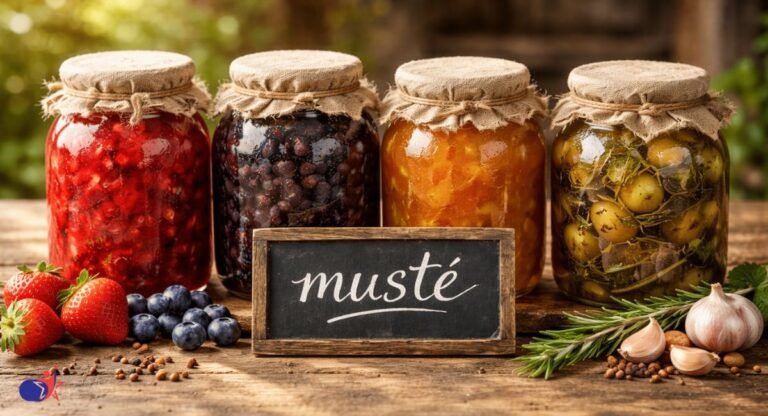
There’s something about a drink that’s been around for thousands of years that just hits different.
Not the kind of “different” that comes from a trendy new flavor combination or a fancy label at your local grocery store. I mean the kind of different that comes from history from farmers pressing grapes by hand at sunrise, from families gathering around harvest tables, from generations of people who knew that the best things in life take time and don’t need preservatives.
That drink is musté. And if you haven’t heard of it yet, you’re about to wonder how you went this long without knowing.
What Is Musté? Let’s Start at the Beginning
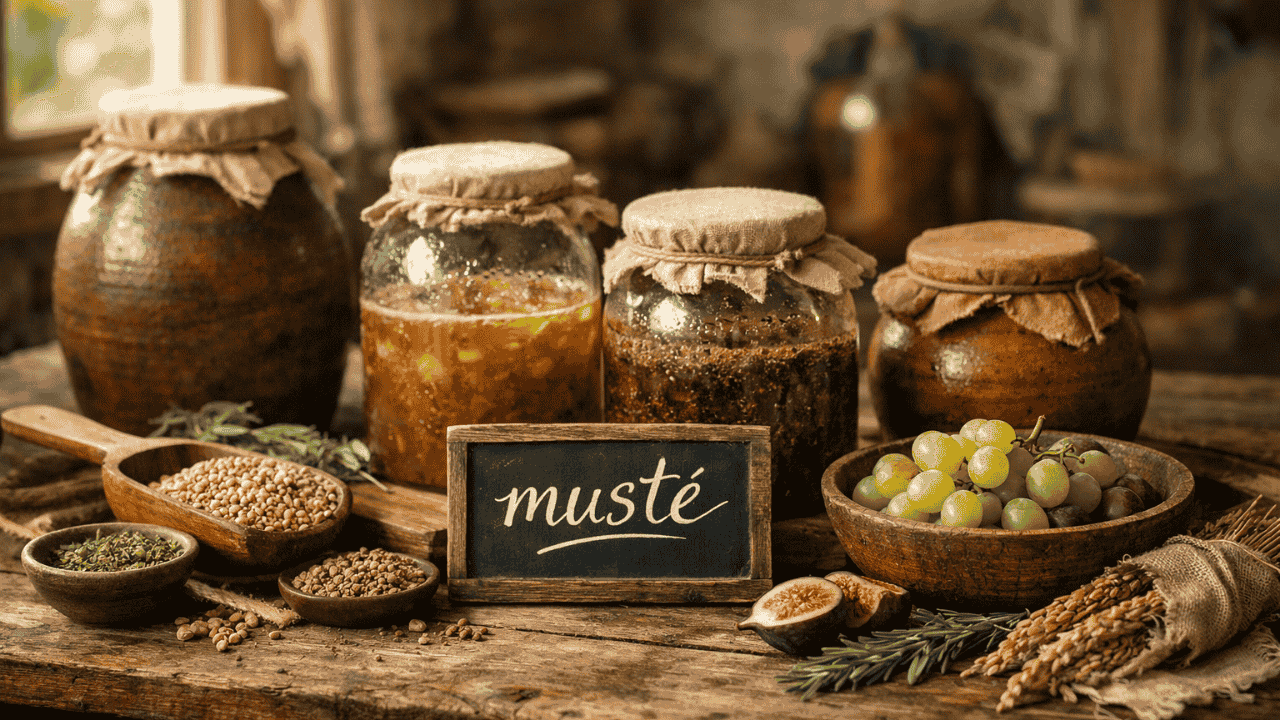
So what exactly is musté? At its most fundamental level, musté is freshly pressed grape juice thick, sweet and completely unfermented. It’s collected right after the grapes are crushed, before any yeast has had the chance to start turning those natural sugars into alcohol. What you’re left with is something incredibly pure. Raw grape goodness in a glass, exactly as nature intended it.
The word itself comes from the Latin vinum mustum, which translates to “young wine.” And that name tells you everything you need to know. Musté is wine before it becomes wine. It’s the starting point, the raw material, the first chapter of one of the oldest stories in human culinary history.
But here’s where it gets interesting. Musté isn’t just one thing. Depending on where you are in the world, the word carries different meanings, different ingredients and different traditions. In Mediterranean Europe particularly Italy and Spain musté refers specifically to that unfermented grape juice, thick with skins and seeds and full of natural sweetness. In other parts of the world, the term has expanded to cover fermented fruit-based beverages, grain pastes, and traditional preparations that have been passed down for centuries across Africa, Asia and the Americas. The common thread across all of them? Fermentation. Natural ingredients. Deep cultural roots.
Musté History A Drink That Predates Your Favorite Everything
If you think musté is a new trend, think again. The musté history goes back further than most things you’ve ever consumed.
Ancient Romans drank it. Ancient Greeks made sweetened syrups from it and drizzled them over pancakes. Archaeological evidence shows that early forms of fermented grain and fruit preparations similar to musté were being made in Asia and Africa thousands of years before modern food culture had a name for any of this. Fermentation wasn’t a hobby back then it was survival. People needed ways to preserve food, extend its shelf life, and create nutrition during times when fresh ingredients weren’t available. Musté was born from that necessity.
In Mediterranean villages, the arrival of fresh musté each year marked the beginning of the harvest season. It wasn’t just a drink it was a signal. Neighbors would gather, families would come together, and the pressing of grapes became a community ritual that connected people to the land, to each other and to the cycles of nature that governed their lives.
Over centuries as cultures traded and migrated, musté spread and evolved. The Romans used condensed musté as a sweetener in their cooking. Greek households made cookies from it, called Moustokoúloura, which are still popular today. In Italy, reduced musté became the base for balsamic vinegar one of the most prized culinary ingredients in the world. In South Africa, winemakers used it to make sweet buns known as mosbolletjies. Every culture that encountered musté found a way to make it their own.
Musté Meaning More Than Just a Drink
Here’s something worth sitting with for a moment. Musté meaning isn’t just about the liquid in the glass. It’s about a philosophy.
Musté represents a way of engaging with food and drink that’s almost completely absent from modern life. There are no shortcuts. There are no artificial additives. There’s no manufacturing process that compresses weeks of natural development into a few hours. Musté is the product of time, patience and respect for natural ingredients. The farmers who make it read the weather, judge the quality of their harvest by sight and smell and taste and work with the environment rather than against it.
In a world where we’ve become accustomed to instant everything, musté asks you to slow down. And more and more people in the USA and around the world are answering that call.
The revival of traditional fermentation in recent years isn’t an accident. As people have become more conscious about what they’re putting in their bodies, more interested in gut health and natural probiotics and more curious about the culinary traditions that existed before industrial food production took over, drinks and preparations like musté have found a completely new audience. It fits the moment perfectly ancient wisdom that aligns exactly with modern values around mindful eating and authentic living.
Musté Beverage What Does It Actually Taste Like?
Okay, enough history. You want to know what musté actually tastes like.
Fresh musté grape juice is something genuinely special. It’s thick much thicker than any commercially sold grape juice you’ve ever had. It’s sweet, but not in a sugary candy way. The sweetness comes from natural glucose, and it’s balanced by a slight tartness from the grape skins and seeds that stay in contact with the juice. There’s a depth to it, a complexity that you just don’t get from anything that’s been pasteurized, filtered, and sitting on a shelf for months.
The color varies depending on the grape variety you’ll find everything from deep purple to golden amber. The texture has a richness that makes it feel like you’re drinking something genuinely nourishing, because you are. Musté in its fresh form contains natural sugars, vitamins, antioxidants, and compounds that start to transform the moment fermentation begins.
For versions where some fermentation has started what people in parts of Europe call partially fermented musté the flavor gets more complex. A slight fizz develops. The sweetness begins to back off a little. You start to taste where wine begins. It’s genuinely one of the most interesting things you can put in a glass.
Musté Health Benefits Why Your Body Will Thank You
Let’s talk about why musté healthy claims aren’t just marketing. The musté health benefits are real and well-documented across centuries of traditional consumption.
Fresh musté is packed with natural antioxidants particularly resveratrol and flavonoids that come directly from grape skins. These compounds are associated with cardiovascular health, reduced inflammation, and overall cellular protection. Because musté isn’t processed or pasteurized like commercial grape juice, these antioxidants remain intact and available in their most bioactive form.
The natural sugars in musté provide quick, accessible energy without the crash that comes from refined sugars. And because those sugars are accompanied by fiber from the grape solids, they’re metabolized more slowly and steadily.
For fermented versions of musté, the health benefits expand further. Fermentation introduces beneficial bacteria natural probiotics that support gut health and digestion. Traditional cultures understood this instinctively long before modern science had the tools to explain the mechanisms. They knew that fermented foods made people feel better, kept them healthier through seasons of limited fresh food access and contributed to overall vitality.
Musté natural drink benefits also include a solid dose of potassium, B vitamins, and iron, particularly in darker grape varieties. It’s alcohol-free in its fresh form, which makes it suitable for everyone children, pregnant women and anyone avoiding alcohol for personal or cultural reasons.
Musté Recipe How to Make It at Home
One of the best things about musté is that you don’t need specialized equipment or professional training to make it. A musté homemade recipe is genuinely achievable, and the experience of making your own batch connects you to something much older and more meaningful than just following a food trend.
Here’s a straightforward musté traditional recipe that works beautifully for home preparation in the USA.
What You’ll Need:
Start with fresh, ripe grapes ideally musté fresh ingredients from a local farm or farmers market. Concord grapes, Muscat grapes, or any high-sugar variety work particularly well. You’ll want grapes that are deeply colored, sweet-smelling, and free from any signs of mold or damage. The quality of your grapes determines everything about the final product, so this step matters.
Musté Ingredients:
- 4–5 pounds of fresh ripe grapes (any variety, preferably high-sugar content)
- Clean water for rinsing
- A fine mesh strainer or cheesecloth
- A large bowl or fermentation vessel
- Optional: a small amount of natural yeast if you want a lightly fermented version
Musté Preparation:
Wash your grapes thoroughly under cool running water, removing any stems or damaged fruit. Place them into a large clean bowl and crush them by hand or with a clean potato masher you want to break the skins and release the juice while keeping as much of the pulp and skin contact as possible. This is where the color, tannins, and flavor compounds come from.
Once crushed, strain the mixture through cheesecloth or a fine mesh strainer into a clean container. Press the solids firmly to extract as much juice as possible. What you have now is fresh musté thick, sweet and ready to drink immediately.
For musté farm fresh consumption at its absolute best, drink it within the first day or two. The flavor is most vibrant and the natural compounds are at their peak right after pressing. Store any remainder in the refrigerator and consume within three days.
If you want to explore a slightly fermented version, leave the juice at room temperature in a loosely covered container for two to three days. Natural yeasts present on the grape skins will begin working on the sugars, creating a light fizz and a more complex flavor. Taste it daily and refrigerate when it reaches the level of fermentation you enjoy.
Musté Preparation Tips and Tricks
A few things that make a real difference when preparing musté at home.
Temperature matters more than most people realize. Grapes pressed at cooler temperatures produce juice with more preserved aromatics and a cleaner, fresher flavor. If you can, work in a cool kitchen or even chill your grapes slightly before pressing.
Skin contact time affects both color and flavor intensity. More contact equals deeper color and more complex flavor which is exactly what you want for drinking straight. If you’re making musté for cooking or culinary use, you might prefer less contact for a lighter, cleaner base.
For the best musté authentic drink USA experience, try to source your grapes locally during harvest season typically September through October in most regions. Musté farm fresh made from grapes picked within hours of pressing is a completely different experience from anything you can replicate with store-bought fruit.
Don’t be afraid to experiment with grape varieties. Each one brings different sugars, acids, and flavor compounds to the final product. Tasting your way through different varieties is genuinely one of the most enjoyable parts of getting into musté preparation.
How to Serve Musté Getting the Experience Right
How to serve musté properly is something that most guides skip over but it actually makes a significant difference.
Fresh musté is best served cold, in a wide-mouthed glass that lets you get your nose into the aromas before you sip. The sweetness is front and center, followed by the earthiness of the grape skins and a slight tartness at the finish. Take your time with it.
For musté cultural events USA, serving fresh musté alongside a cheese board, fresh bread, and seasonal fruit makes a stunning presentation that tells a story. It’s a natural conversation starter the kind of thing that gets people asking questions and sharing stories about food traditions.
Musté also works beautifully as a musté culinary ingredient in your cooking. Reduced on a stovetop into a thick syrup it becomes a stunning glaze for roasted meats or a drizzle over desserts. Mixed into vinaigrettes it adds a natural sweetness and depth that balsamic vinegar has made famous because traditional balsamic vinegar is at its core reduced and aged musté.
Musté in the USA Where to Find It and How to Get Started
The musté USA scene is growing in a genuinely exciting way. Farmers markets in wine-growing regions like California, Oregon, Washington and New York often have fresh musté available during harvest season. Specialty food stores and artisanal beverage shops are increasingly stocking it as consumer interest in traditional and fermented drinks continues to rise.
For anyone who wants to experience musté beverage online USA, several artisanal producers now ship fresh or lightly processed versions with minimal handling. Look for products that list simple, clean ingredients grapes, nothing else. The simpler the label, the closer you are to the real thing.
If you’re serious about getting into musté, the most rewarding path is to find a local vineyard or winery during harvest season and ask about purchasing fresh must directly. Many winemakers are happy to sell it and some even host pressing events where visitors can participate in the process. That kind of direct, hands-on experience with musté culinary tradition USA is something that stays with you.
Final Thoughts Why Musté Deserves a Place in Your Life
Here’s what I keep coming back to after everything I’ve learned about musté.
We live in a time when food and drink have become incredibly complicated processed, engineered, marketed and stripped of the human stories that used to be attached to them. Musté is the opposite of all that. It’s grapes. It’s time. It’s the hands of someone who cared enough to press them fresh and share the result.
Whether you’re drawn to musté for the musté health benefits the flavor, the culinary tradition, or simply the curiosity of tasting something that connects you to thousands of years of human food culture it delivers on all of it.
The ultimate guide to musté drink USA doesn’t end with this article. It starts here. Find some fresh grapes, press them yourself, taste what wine tastes like before it becomes wine and understand in one glass why this drink has survived every generation since ancient Rome.
Some things are still around after thousands of years for a very good reason. Musté is one of them.