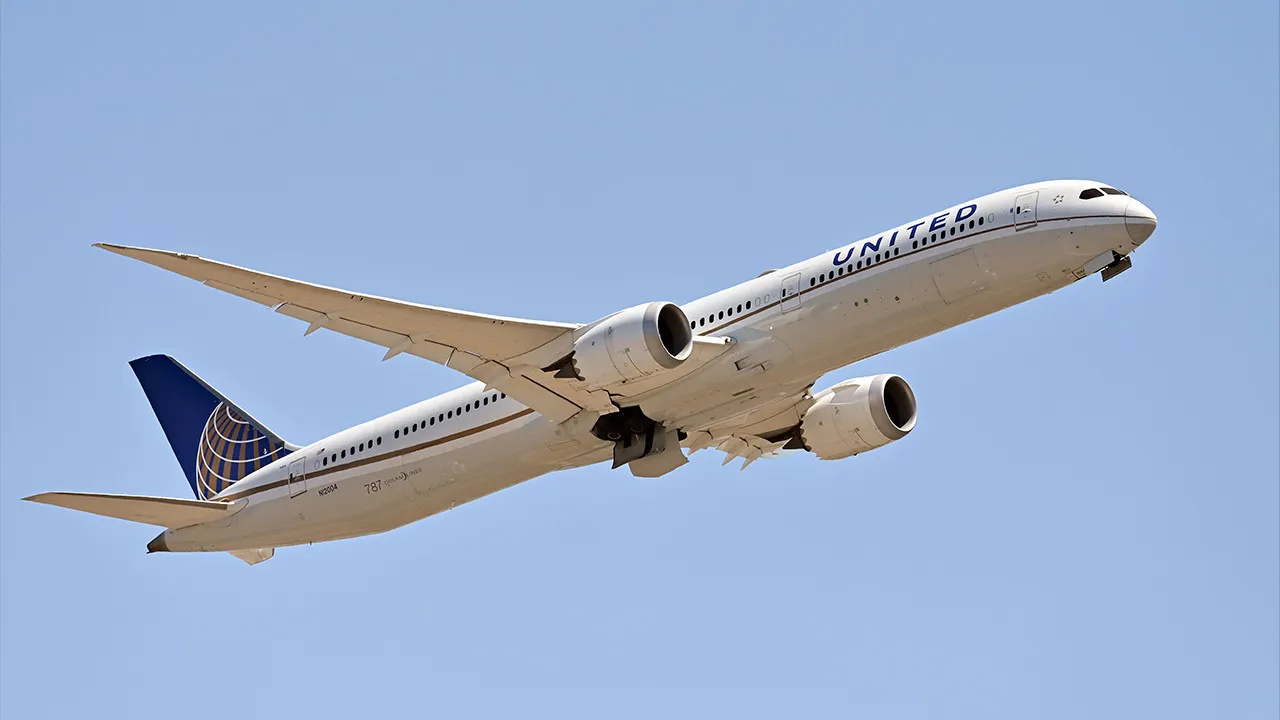
Recently, United Airlines Flight UA770 found itself in the spotlight after executing an unexpected emergency diversion mid-journey. This incident raised significant questions about passenger safety, in-flight protocols, and the airline’s response during such critical moments.
Overview of United Airlines Flight UA770
Flight UA770 was operating on a standard route when the flight crew detected a situation demanding immediate attention. Although the aircraft was cruising normally, cockpit indicators alerted the pilots to a potential issue that warranted further action. Following established aviation safety procedures, the crew concluded that proceeding to the original destination was not the safest option.
Why Was Flight UA770 Diverted?
Initial reports indicate that the emergency diversion was a precautionary measure aimed at ensuring the safety of passengers and crew. While United Airlines did not disclose specific technical details, sources familiar with aviation protocols confirmed that the diversion was necessary.
Common reasons for emergency diversions include:
- Mechanical or system warnings
- Medical emergencies onboard
- Smoke, unusual odors, or cabin alerts
- Weather-related concerns
In this instance, the pilots adhered to international aviation guidelines by diverting to the nearest suitable airport capable of safely accommodating the aircraft.
How the Crew Handled the Situation
Passengers onboard Flight UA770 commended the calm and professional demeanor of the flight crew throughout the incident. The captain promptly informed passengers about the diversion, effectively alleviating potential panic and assuring everyone that safety was the utmost priority. Cabin crew members remained composed, closely monitoring passengers and ensuring that all safety procedures were properly executed during the descent and landing. This level-headed response played a crucial role in preventing unnecessary fear and confusion during what could have been a stressful situation.
Safe Landing and Passenger Response
The aircraft successfully landed at the diversion airport, where emergency personnel were already on standby as a precaution. Fortunately, there were no reported injuries, and all passengers disembarked safely. Many passengers later expressed that, while the diversion was unexpected, they appreciated the transparent and calm communication from the United Airlines team.
United Airlines’ Official Statement
United Airlines later confirmed the emergency diversion, emphasizing that the decision was made out of an abundance of caution. The airline reiterated that passenger safety remains the highest priority, and such diversions, albeit rare, are integral to the strict safety protocols observed in the aviation industry. Affected passengers were provided with rebooking options, assistance at the airport, and continuous updates regarding their travel plans.
How Common Are Emergency Diversions?
While emergency diversions often attract media attention, they are not uncommon in commercial aviation. Airlines operate thousands of flights daily, and even minor alerts can prompt pilots to divert flights rather than take unnecessary risks. Modern aircraft systems are designed to detect irregularities early, enabling crews to act before a situation escalates.
Final Thoughts
The emergency diversion of United Airlines Flight UA770 serves as a potent reminder that aviation safety systems function as intended. Though unexpected, the diversion was managed with professionalism, calmness, and without incident. For passengers, this experience may have caused inconvenience, but it ultimately demonstrated the airline’s commitment to prioritizing safety over schedule.
As ongoing investigations and routine checks unfold, incidents like this reinforce public trust in global aviation standards and the highly trained professionals responsible for ensuring safety in the skies every day.